

Travel is becoming less about seeing as much as possible and more about choosing experiences that feel personal.
People are planning around stories they want to remember, seasons that make destinations more enjoyable, and trips that support how they actually want to feel. Some travelers are following sports across cities. Others are choosing cooler climates, traveling with several generations of family, or staying longer in one place.
The names may sound playful, but the shift behind them is practical. Travelers want more meaning and less friction.
Several of these terms are still emerging shorthand rather than formal travel categories. But they describe real patterns appearing across 2026 travel outlooks, including the move toward story-driven experiences, shoulder-season travel, wellness, multigenerational trips, and slower itineraries. Reports from American Express Travel and Expedia’s Unpack ’26 report point to the same larger idea: people are planning trips around what matters to them.
Here are the travel trends worth planning around.
Lore-tripping: Plan around the stories you will tell
Lore-tripping is travel built around memorable stories. It is less about checking famous places off a list and more about creating the kind of experience you will still talk about years later.
That might mean staying somewhere with a meaningful history, visiting a place connected to a book or film, following a local legend, or leaving enough room in the itinerary for something unexpected to happen.
American Express has described a similar behavior as “Lore Chasing,” with travelers prioritizing once-in-a-lifetime moments and the personal stories that come from them.
Why travelers are embracing it
A highly photographed destination does not always create a meaningful trip. A small, unexpected experience often does more.
Travelers are looking for connection, atmosphere, and a sense of discovery. They want to come home with more than a collection of familiar photographs. They want a story that belongs to them.
How to plan a lore-tripping itinerary
Start with a question: What kind of story do I want this trip to create?
You might want a trip filled with history, local food, nature, music, art, or family memories. Once you know the theme, choose one or two anchor experiences and build around them.
Avoid filling every hour. The best stories are often found in the space between scheduled activities: a conversation with a local guide, a neighborhood café, a wrong turn that leads somewhere interesting, or an afternoon with no fixed plan.
A thoughtful travel advisor can help identify experiences that fit the purpose of your trip instead of simply adding more activities. That is part of the approach behind 3oz Journeys, where itineraries are built around your interests, pace, and priorities.
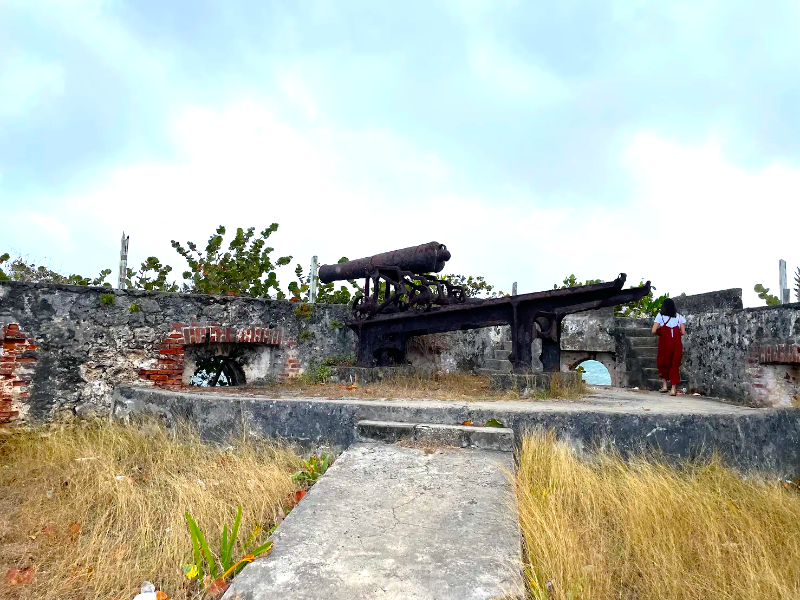
Groundhopping: Let sports shape the journey
Groundhopping usually refers to visiting multiple football or soccer grounds, often across different cities or countries. More broadly, it is part of a growing interest in sports-led travel.
Rather than attending one game and going home, travelers are planning entire trips around stadiums, rivalries, tournaments, and the culture surrounding a sport.
Expedia’s 2026 travel research describes a related trend called “Fan Voyage,” where fandom becomes a reason to travel and a way to experience a destination.
Why travelers are embracing it
Sports offer an immediate connection to place. A match introduces travelers to local traditions, neighborhood culture, food, language, and community.
It also gives a trip a clear structure. Instead of asking what to do in a destination, travelers begin with an event that already matters to them.
Groundhopping can also create a natural reason to visit cities that may not otherwise be on a typical itinerary.
How to plan a groundhopping trip
Choose a realistic geographic route before buying tickets. Visiting several grounds can become complicated quickly if travel times, match schedules, and transportation are not considered together.
Build in recovery time between games. A trip that looks efficient on a map may feel exhausting in practice.
It is also worth planning beyond the stadium. Research local restaurants, markets, museums, and neighborhoods near each venue. The goal is not simply to collect stadiums. It is to understand the places connected to them.
For international trips, confirm ticket policies, entry requirements, transportation options, and event dates before booking nonrefundable accommodations. A flexible itinerary can make a sports-centered trip much easier to manage.
Coolcations: Choose comfort over extreme heat
Coolcations are trips planned around cooler climates. Travelers are choosing mountain towns, northern destinations, coastal regions, and nature-focused escapes instead of automatically selecting the hottest or most popular summer destination.
This trend connects with broader interest in wellness, rural travel, and climate-conscious planning. Travelers want beautiful surroundings, but they also want to feel comfortable while exploring them.
Why travelers are embracing it
Extreme heat can change the entire experience of a trip. It affects walking, sleep, outdoor activities, and how much travelers can comfortably do in a day.
A cooler destination can offer a more relaxed pace. Hiking, sightseeing, and dining outside may feel more enjoyable when the weather supports the itinerary.
Coolcations also appeal to travelers who want nature and quiet without giving up thoughtful accommodations or cultural experiences.
How to plan a coolcation
Look beyond temperature alone. Consider daylight hours, rainfall, seasonal closures, altitude, and transportation.
A mountain destination may be cooler but require more planning around transfers and elevation. A northern city may offer long summer days but limited daylight in another season.
Plan a balance of outdoor and indoor activities. Add a few flexible options so the trip remains enjoyable if weather changes.
Most importantly, choose the climate that supports the purpose of your trip. If you want rest, a peaceful lakeside town may be a better fit than an ambitious hiking itinerary.
Fallcations: Make the shoulder season the main event
Fallcations are autumn trips built around lower crowds, seasonal scenery, local food, cultural events, and a slower rhythm.
They are part of a larger shift toward shoulder-season travel. Travelers are becoming more willing to avoid peak summer and holiday periods in favor of better value and a more comfortable experience.
Why travelers are embracing it
Autumn often offers a useful balance. Destinations may still have plenty to do, but streets, restaurants, and attractions can feel less crowded.
There is also a strong sense of place in fall travel. Harvest events, changing landscapes, regional menus, and local festivals give a trip a natural theme without requiring an overloaded itinerary.
How to plan a fallcation
Research the exact timing of seasonal experiences. Fall colors, harvests, festivals, and weather can vary significantly from one year to the next.
Book popular small-town accommodations early, especially if the destination is known for foliage or food tourism. At the same time, leave room for weather changes and shorter daylight hours.
Fall is also a good season for a short, focused itinerary. Choose one region instead of trying to cover an entire country. A few well-chosen stops can create a richer trip than constant movement. For a simple way to structure a short getaway, see the intentional weekend.
Grandcations: Travel across generations
Grandcations are multigenerational trips that bring grandparents, parents, children, and sometimes extended family together.
The trip may center on a birthday, anniversary, reunion, graduation, or simply the desire to spend time together away from daily routines.
Hilton’s 2026 Trends Report highlights the rise of “skip-gen” trips, where grandparents travel with their grandchildren, and other 2026 travel outlooks point to continued growth in multigenerational and milestone travel.
Why travelers are embracing it
Families are looking for meaningful time together, especially when regular schedules make it difficult to gather.
Travel creates shared memories, but it also requires careful planning. Different ages often mean different energy levels, budgets, mobility needs, sleep schedules, and interests.
How to plan a grandcation
Choose a destination with variety. The ideal location offers activities for children, adults, and older travelers without requiring everyone to participate in the same thing all day.
Build in shared anchors, such as a family meal or one planned excursion, along with plenty of independent time.
Accommodation matters. Multiple bedrooms, accessible layouts, kitchens, laundry, and common spaces can make a major difference.
Before booking, ask every traveler what would make the trip feel successful. The answer may be beach time for one person, cultural experiences for another, and simple family dinners for someone else.
Good travel planning makes space for all of those priorities. And a big group doesn't have to mean a pile of suitcases - here's how we pack a family of four in one carry-on.

Slow travel: Stay longer and move with purpose
Slow travel is the most established idea on this list. It means staying longer in fewer places, reducing unnecessary movement, and spending more time experiencing local life.
It may involve a week in one neighborhood, a regional train journey, a month-long stay, or simply choosing not to plan every moment.
Why travelers are embracing it
Constant movement can make a trip feel like a series of transitions. Slow travel gives people time to settle into a place.
Travelers can return to the same café, learn a few local routines, visit a market, take a longer walk, or change plans without feeling that they are missing something.
It also supports more intentional travel. The goal is not to maximize the number of attractions. It is to create an experience that feels manageable and memorable.
How to plan a slower trip
Choose one primary base and explore from there. If you include multiple destinations, limit the number of transfers.
Plan only the experiences that truly matter to you. Then leave open space around them.
Think about the rhythm of the trip. A slower itinerary still needs structure, but it should not feel like a schedule you are trying to complete.
This is where personalized travel planning can be especially useful. A well-designed itinerary removes guesswork while protecting the time and flexibility that make slow travel work.
The common thread: Plan for how you want to feel
Lore-tripping, groundhopping, coolcations, fallcations, grandcations, and slow travel may look like separate trends. They are connected by one larger shift: travelers are starting with the experience they want, not just the destination they can book. We call that a "Whycation".
That is the foundation of intentional travel.
Before choosing flights or building a list of attractions, ask:
- How do I want to feel during this trip?
- What would make the experience meaningful?
- What pace can I realistically enjoy?
- Who needs to be considered in the plan?
- What can be left out?
The answers make the rest of the decisions clearer. They can guide your destination, accommodation, activities, transportation, and travel essentials.
At 3ozs, we believe travel should feel lighter from start to finish. 3oz Journeys offers personalized trip planning for travelers who want meaningful experiences without spending weeks sorting through options. And when it comes to the physical side of travel, 3oz Essentials helps simplify the practical details with thoughtfully selected travel essentials.
Stress-free travel does not mean removing every unexpected moment. It means reducing the avoidable friction so you have more energy for the parts of the trip that matter.
For more practical ideas, explore the 3ozs Travel Guide. When you are ready to plan a trip around your own interests, pace, and priorities, 3oz Journeys can help you begin with intention.
Travel less by default. Choose more thoughtfully.
0 commentaire